

PERFORMANCE
JOURNAL.
Guides from our coaches on athletic performance, strength & power, speed, conditioning, recovery and sports nutrition. From Sarıyer / Skyland, for every level.
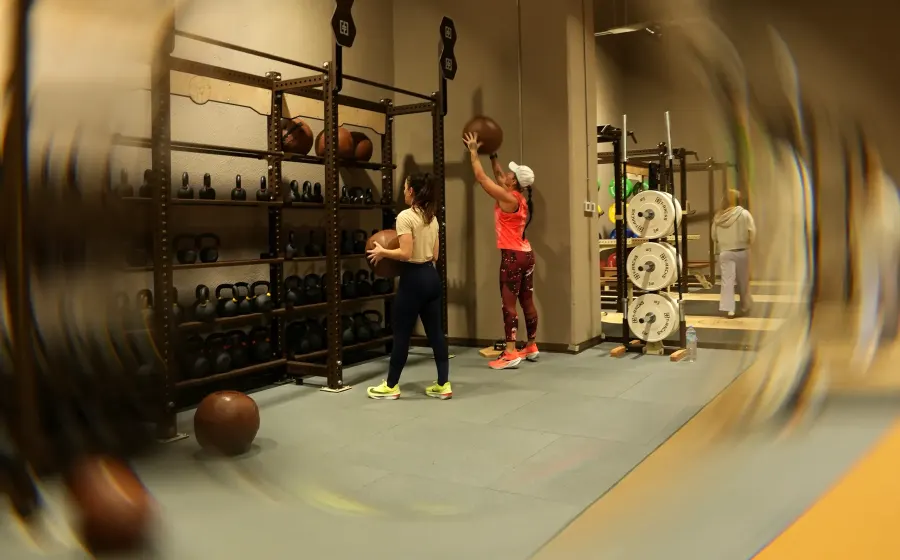
Drop Jump and Reactive Strength Index: Measuring Ground Contact
What defines a fast athlete is not only how high they jump but how quickly they leave the ground. The drop jump shows exactly that.
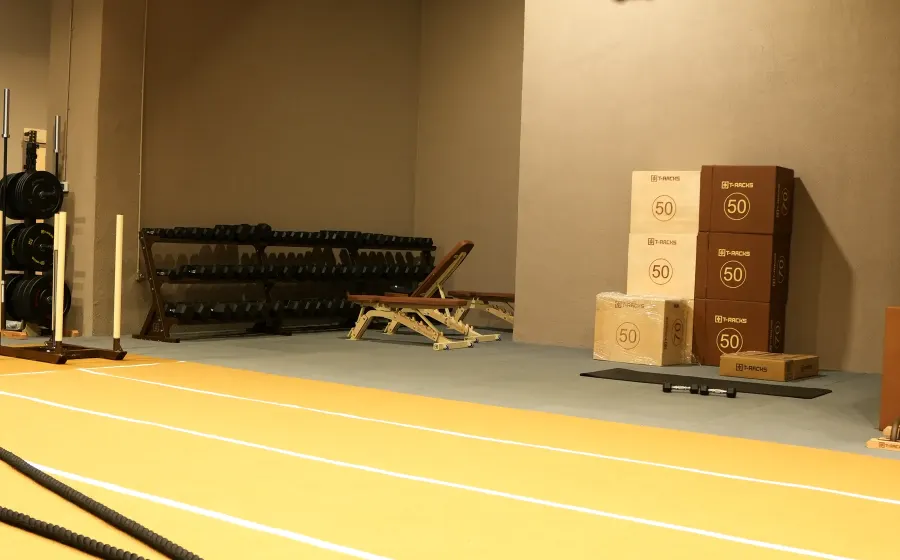
Medicine Ball Throws: A Practical Way to Build Rotational and Horizontal Power
The medicine ball is one of the few tools you can release without decelerating. We cover rotational, pushing and full-body throws, choosing ball weight and programming.
Romanian deadlift and the posterior chain: carrying hamstring and hip strength onto the field
Sprinting, jumping and changing direction all rely on a strong posterior chain. The Romanian deadlift is a core movement for developing it in a controlled, safe way.
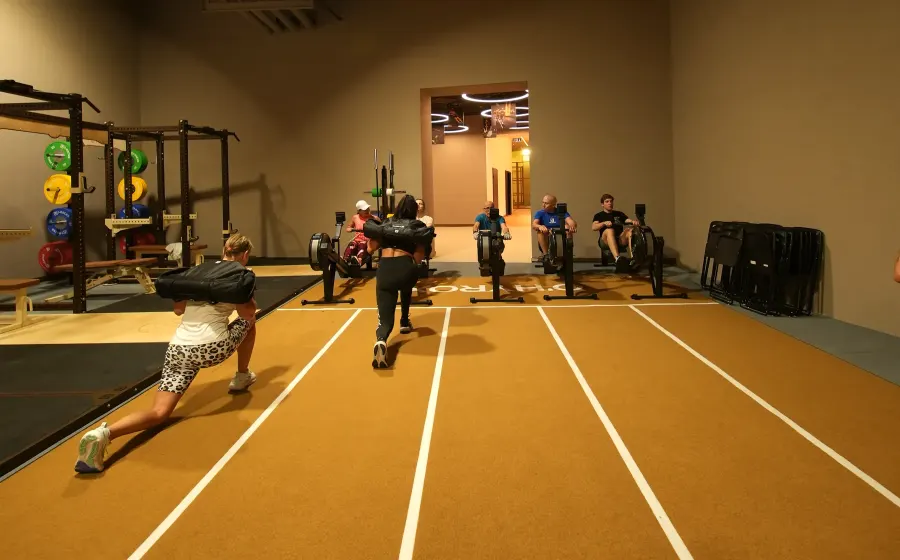
The 5-10-5 and T-Test: How to Measure and Interpret Change-of-Direction Speed
What do agility tests tell an athlete, and what do they not? A plain-language look at how two common tests are run, read and limited.
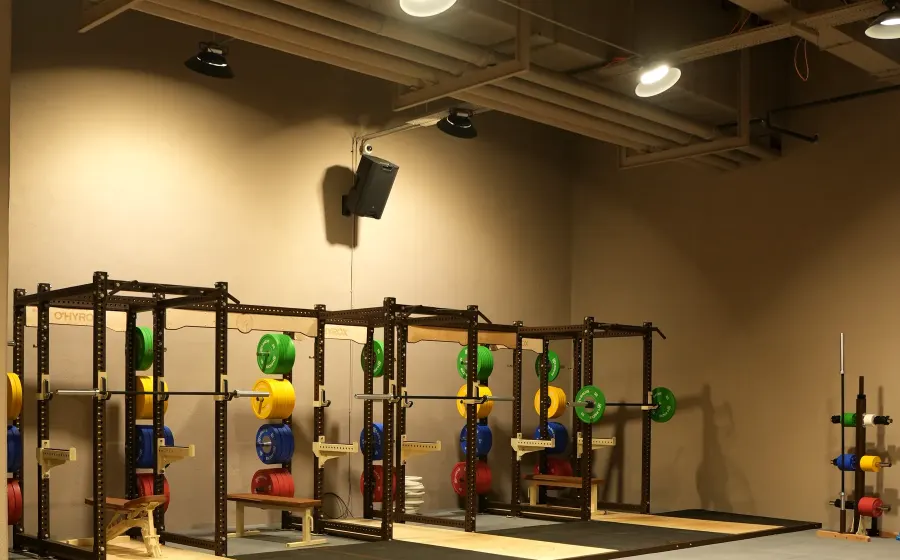
Complex Training: Pairing Heavy Loads and Jumps in the Same Set
Following a heavy lift with a similar explosive movement is one way to train strength and power in the same session. Pairings, rest and who it suits are covered here.
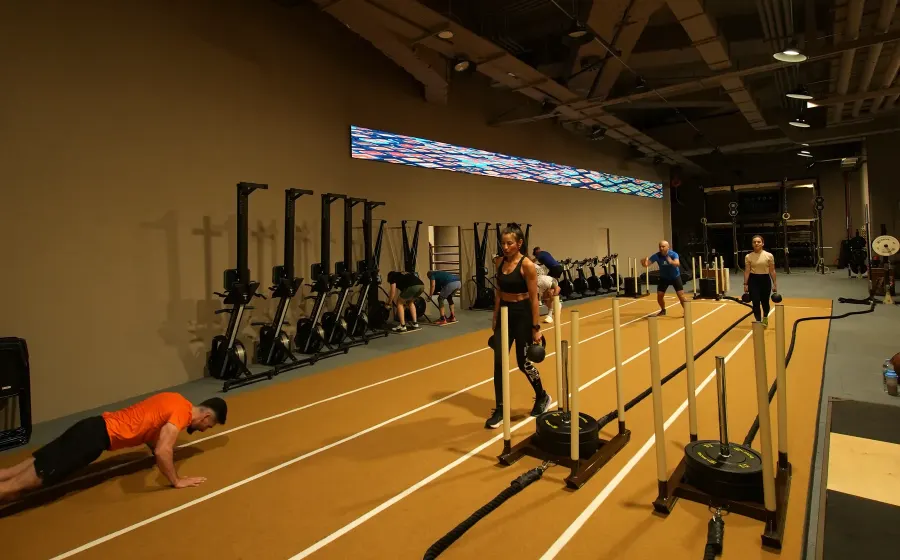
Running cadence and stride length: where to begin when refining technique
Cadence is not a magic number, but it is a good starting point for understanding running mechanics. We look at the link between step rate, stride length and impact load.
Deceleration Training: Braking Strength, the Hidden Skill of Fast Athletes
Running fast matters, and so does stopping safely. We explain deceleration skill, eccentric strength and step-by-step drills you can apply.
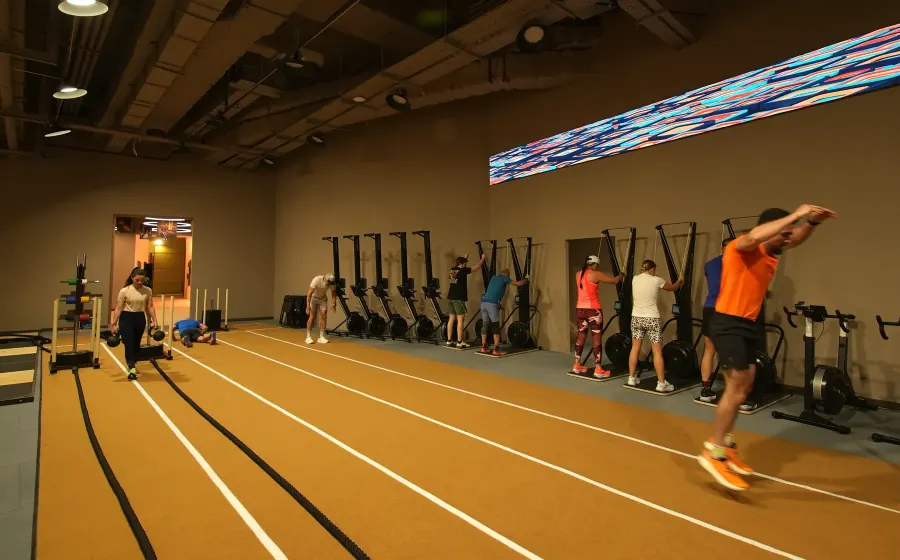
Isometric Strength Training: A Guide to Getting Stronger Without Moving for Athletes
Muscle contraction without joint movement earns more space in an athlete's program than many assume. We explain pushing and holding isometrics, angle selection and dosing.
Interval running sessions: four core formats to raise your aerobic ceiling
Long, slow runs build the base; well-planned interval sessions raise the ceiling. We explain four core formats and when to use them.
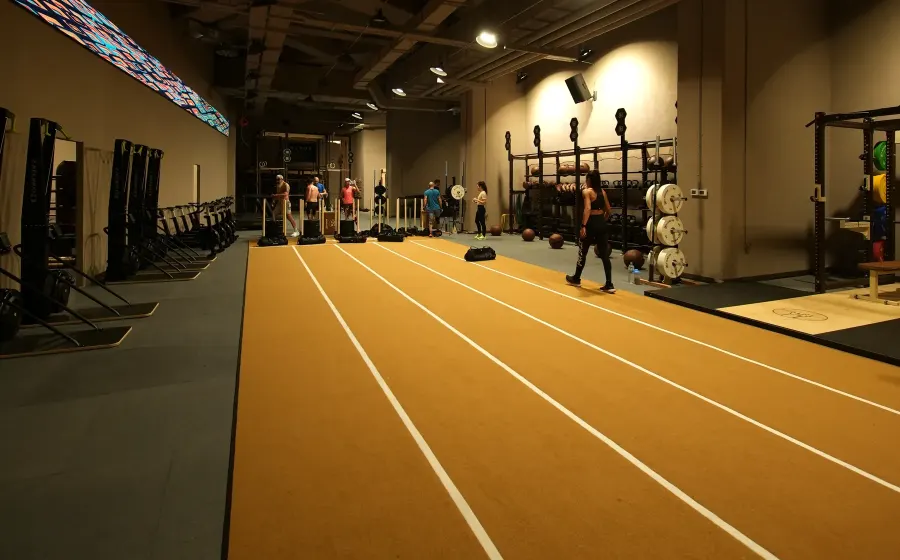
The First Three Steps: Posture, Push and Foot Placement in Acceleration
Speed is often won or lost in the first three steps. We explain trunk angle, push direction and foot placement in plain language.
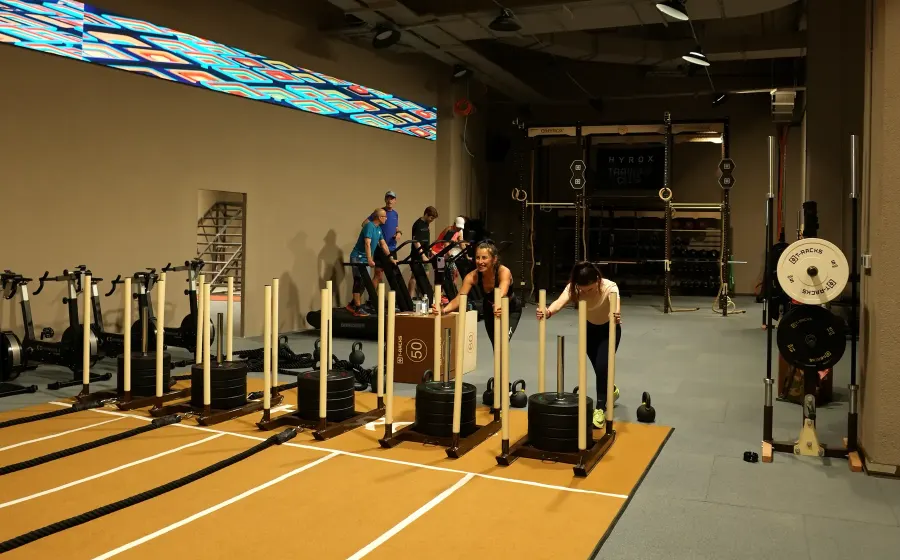
The Maximum Velocity Phase: Upright Running Mechanics and Flying Sprints
Once acceleration ends, the maximum velocity phase begins: the torso rises and ground contacts shorten. Here is how to train it safely with flying sprints.
Training partners and athlete community: why people who train together stay the course
Discipline does not come from willpower alone; it also comes from environment. A training partner and a community are among the least recognised supporters of performance.
Faster, stronger.
One step away.
24 hours from your first message to your first session. Let's build your program together — reach out on whichever channel suits you.
Weekdays 06:00 – 23:00