
Category: Training Science
Training science guides: adaptation, overload, energy systems, muscle physiology, fatigue management and evidence-based programming.

Keeping a training log: what data to record and how often
Which data in a training log is recorded every session, which weekly and which every two months? A sustainable logging system and a guide to reading the data.
The First Three Steps: Posture, Push and Foot Placement in Acceleration
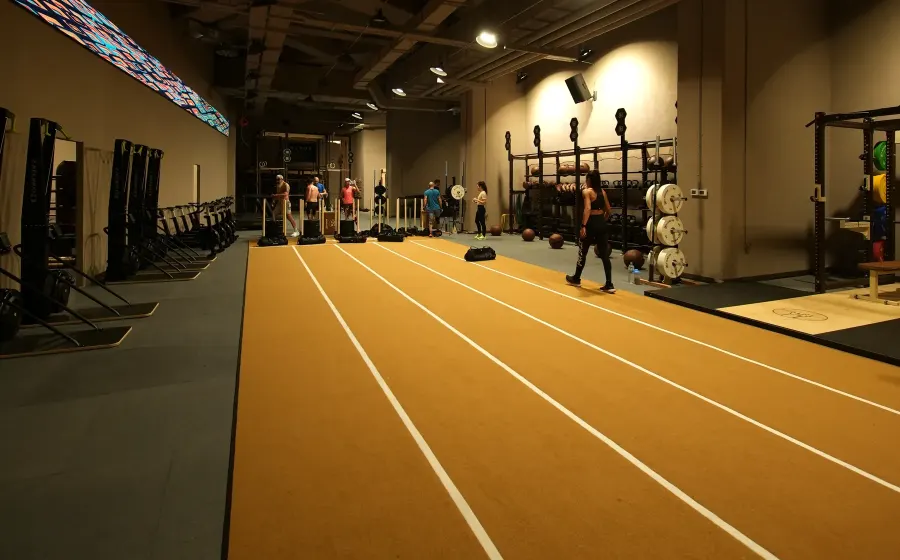
Speed is often won or lost in the first three steps. We explain trunk angle, push direction and foot placement in plain language.
Training Science 101: Adaptation, Overload and Supercompensation
Adaptation, overload, supercompensation, specificity and reversibility: the scientific principles behind athlete programming.
Motor learning: why technique sticks through good practice, not just repetition
Doing a movement a thousand times does not create mastery; how you practise matters as much as how often. Motor learning principles speed up athlete development.

From functional overreaching to overtraining: early signs of athlete fatigue
Not all fatigue is bad, but fatigue that does not recover quietly lowers performance. Recognising early signs can save a season.

Autoregulating training intensity with RPE and RIR: turning feel into numbers
Training at the same percentage every day does not mean the same load every day. RPE and RIR are practical tools to adjust load to today's readiness.
Faster, stronger.
One step away.
24 hours from your first message to your first session. Let's build your program together — reach out on whichever channel suits you.
Weekdays 06:00 – 23:00