
Category: Training Science
Training science guides: adaptation, overload, energy systems, muscle physiology, fatigue management and evidence-based programming.
Interpreting test results: table norms or your own baseline?
In jump, sprint and strength tests a single number says little on its own. Norms, individual baselines and measurement error must be read together.
Warming Up Before Sprints and Jumps: Preparation with the RAMP Approach
A good warm-up does more than raise body temperature; it prepares the movement. A simple warm-up structure with raise, activate and potentiate phases.
Pre-Season, In-Season, Post-Season: Annual Planning for the Sport-Specific Athlete
An athlete's year is not spent at one intensity. We explain the logic of dividing the season into phases and what to focus on in each.
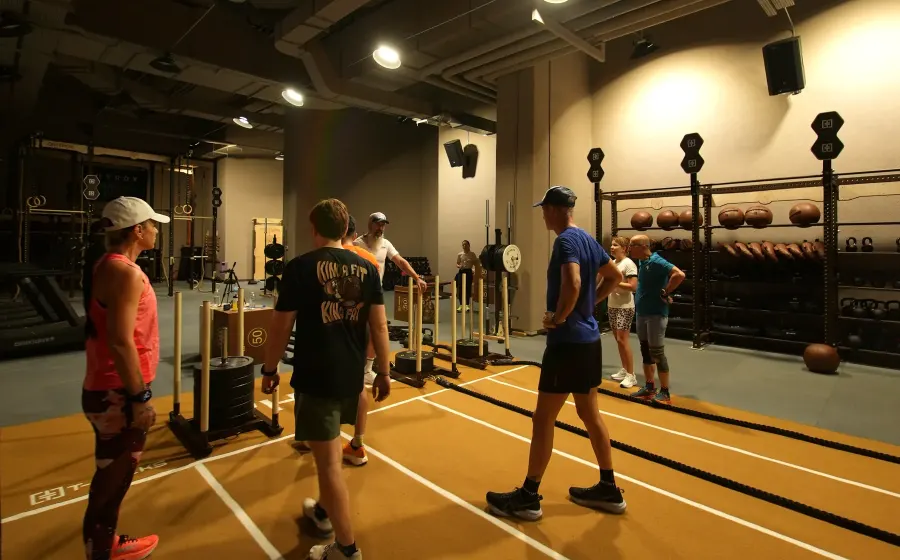
The Logic of a Weekly Program in Sprint and Jump Events
How to distribute the week for a sprinter and a jumper: high-quality days, strength days and genuine rest.

The Fitness-Fatigue Model and Supercompensation: Why Training Works
Every session builds both capacity and fatigue. We explain in plain language what two classic models say, where they fall short and how they guide weekly planning.
Muscle Fiber Types: What Fast and Slow Fibers Mean for Training
Our muscles are made of fibers with different properties. We explain how fast and slow fibers differ, how they change with training and how this should shape a program.

Footwork for Tennis Players: Split Step, First Step and Court Coverage
In racket sports, reaching the ball often starts with the feet before the stroke itself. We explain the split step, first step and recovery pattern.
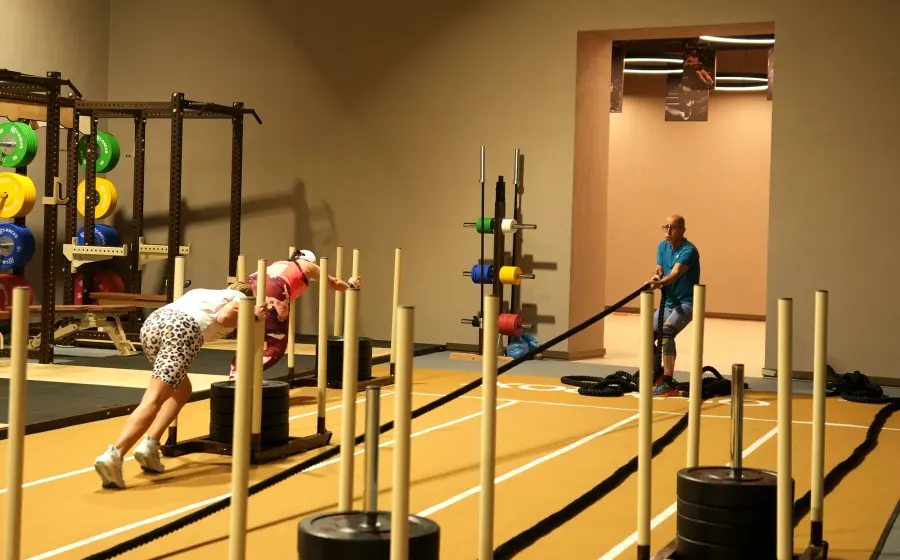
Tapering for match and race week: cutting volume to sharpen up
How do you taper? Volume drops, intensity is maintained, frequency continues. Choosing the duration, the difference between match week and race week, and how you feel in the final week.
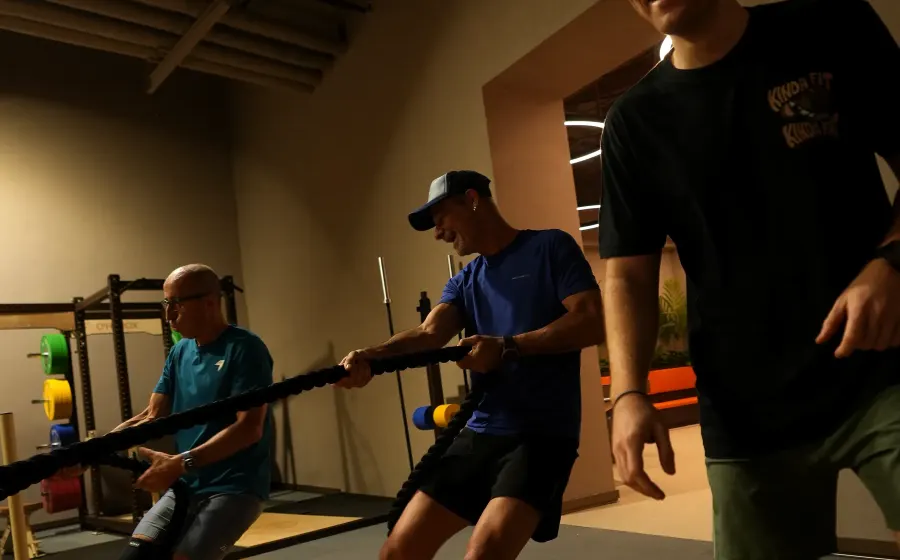
A 4-day hybrid program for the office-working amateur athlete
A four-day hybrid program of two strength and two conditioning sessions for amateur athletes with desk jobs, including mobility, progression and movement throughout the day.

Breathing mechanics and intra-abdominal pressure: stability in lifts
How is intra-abdominal pressure created, what is the Valsalva maneuver and what does a belt do? Applying breathing mechanics to the squat, deadlift and overhead press.
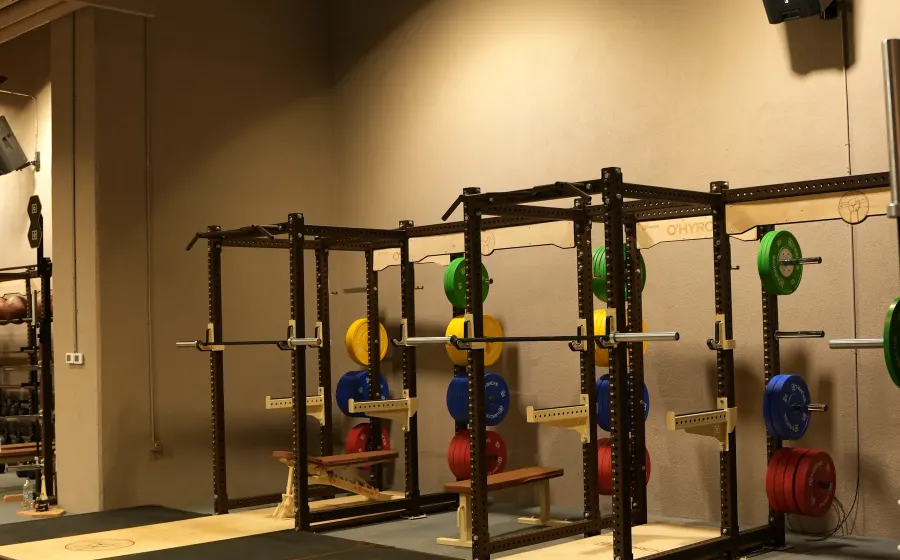
Volume, intensity and frequency: the three levers of strength programming
How are volume, intensity and frequency, the three core variables of strength programming, defined and measured, and which one takes priority for which goal?
Weekly templates for concurrent training: 3, 4 and 5-day plans
3, 4 and 5-day weekly templates for training strength and endurance together; the interference effect, session sequencing and principles for adapting a template to yourself.
Faster, stronger.
One step away.
24 hours from your first message to your first session. Let's build your program together — reach out on whichever channel suits you.
Weekdays 06:00 – 23:00