
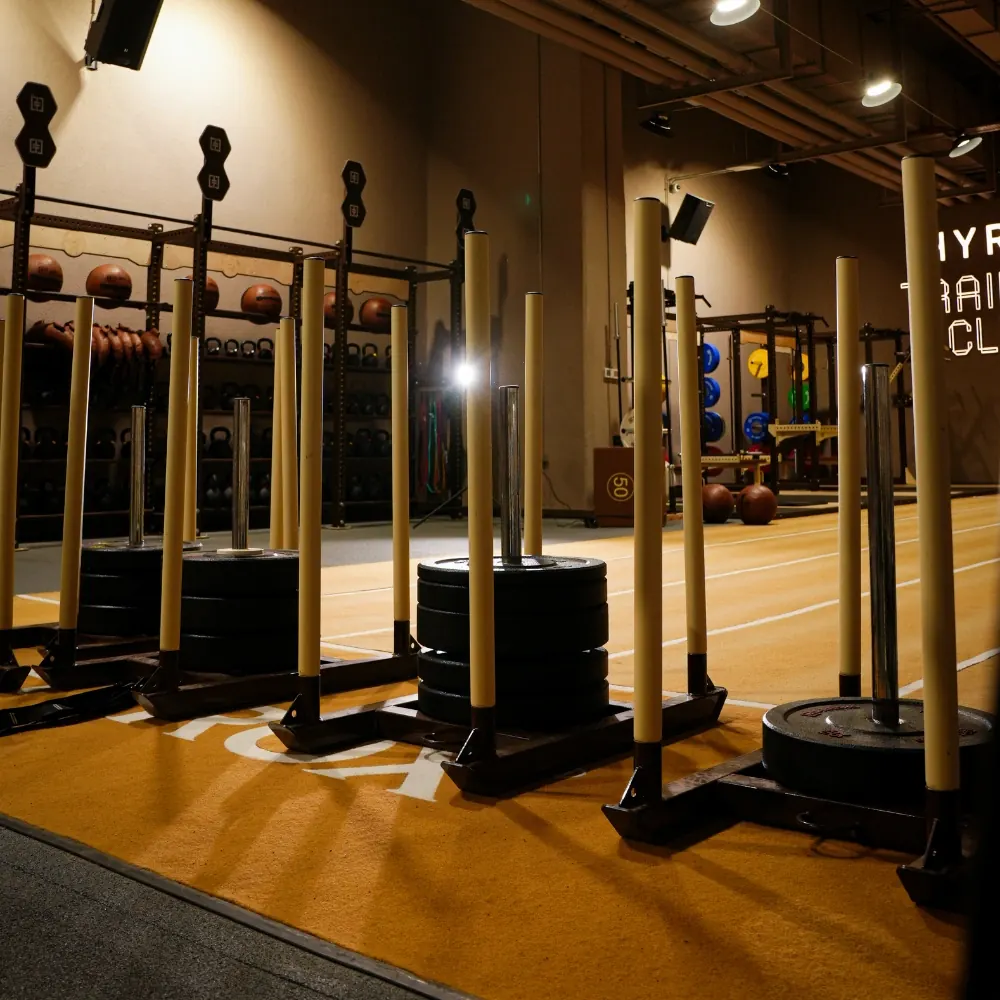
How to choose a performance coach: certifications, approach and questions to ask
What should you look for when choosing a performance coach? Certifications, methodology, testing approach and questions to ask at the first meeting.
The right coach can compress years of development into a few months; the wrong coach keeps an athlete bouncing between injury and plateau. In this article, we've compiled the concrete criteria to look for when evaluating a performance coach and the questions to ask at your first meeting.
1. Education and certifications
A certification alone isn't enough, but it sets a baseline. Widely recognized credentials in strength and conditioning include:
- Sports science / coaching degree: A foundation in physiology, biomechanics and training science.
- NSCA-CSCS: An athlete-focused strength and conditioning certification, recognized internationally.
- UKSCA ASCC: A credential with a demanding practical exam that assesses hands-on competence.
- Sport-specific credentials: Additional training in areas such as sprint mechanics, Olympic lifting and plyometrics.
“Personal trainer” certificates earned in a weekend course with no exam don't provide enough depth for athlete programming.
2. Method: do they measure?
This is the most telling question. A good coach takes measurements before starting a program and repeats them regularly. “How are you feeling?” is an important question, but on its own it isn't enough to manage a program.
What to ask: Which tests do you run before starting the program? How often do you repeat them? Do you provide a written report?
3. Individualization
Systems that give everyone the same program aren't suitable for athletic performance. The program should be written around the athlete's sport, season calendar, injury history and weekly availability.
What to ask: What will you base my program on? How will you integrate it with my sport practice? What happens if I miss a session?
4. Injury history and collaboration
A good coach knows their limits and works with a physiotherapist, physician or dietitian when needed. A coach who tries to solve every problem alone creates risk.
What to ask: How will you handle my injury history? Will you communicate with my physiotherapist? What is your protocol when there is pain?
5. Communication and transparency
A coach who can clearly explain why the program is written the way it is helps the athlete take ownership of the process. A “just do it” approach with no rationale lowers adherence over time.
6. Realistic promises
Red flags:
- Exaggerated time-to-result promises like “10 cm more jump in two weeks”
- Selling the same supplement package to everyone
- Treating pain as “normal” and pushing through
- Counting constant max attempts and induced fatigue as a “good workout”
- Changing the program without measuring
- Flashy social media exercises with no clear purpose
7. Relevant experience
A coach's experience in bodybuilding or general fitness doesn't transfer directly to preparing team-sport athletes. It matters that they've worked with your sport or sports with similar demands.
What to ask: How many athletes in my sport have you worked with? What measurable results did you achieve with them?
First meeting checklist
- Do they run an assessment, and which tests do they use?
- Is the program written down and trackable?
- How often do they retest?
- How do they incorporate my season calendar into the program?
- How does the process work in case of injury?
- How do they communicate outside of sessions?
- How many athletes do they coach at the same time on the floor?
- Is there guidance or specialist support for nutrition and sleep?
Price and value
The cheapest option is usually a standard group program; the most expensive option doesn't always deliver the best results. What matters is what you get for what you pay: measurement, a written program, regular follow-up, access to specialists and facilities. If none of these are included, even a low fee can be a high cost.
How do we work at Skyland?
Every athlete starts with an assessment session; results are shared as a written report and the program is written based on that data. Blocks last 4–6 weeks, and tests are repeated at the end of each block. Dietitian and physiotherapist support are under the same roof. You can review our coaching team, and see how we work on our Athletic Performance page.
Frequently asked questions
Is online coaching enough?
It works for athletes with high technical maturity. For beginners and situations that require technical correction, in-person coaching is clearly superior.
After how many sessions should I decide?
4–6 weeks, i.e. one block. That's enough time to get a clear sense of the measurement, program logic and communication style.
Will changing coaches disrupt my progress?
Switching at the end of a block causes no problems; bringing your measurement data along makes the new coach's job easier.
Is a personal trainer the same as a performance coach?
No. We cover the differences in detail in this article .
Related articles.
1RM test or estimated 1RM? Safe strength testing for athletes
What is 1RM and how is it calculated? Direct 1RM testing vs. estimated 1RM for athletes, formulas and safe application.
Strength and conditioning for combat athletes: power, endurance and weight management
Strength and conditioning for combat athletes: power, anaerobic capacity, neck and grip strength and safe weight management.
The 5-10-5 and T-Test: How to Measure and Interpret Change-of-Direction Speed
What do agility tests tell an athlete, and what do they not? A plain-language look at how two common tests are run, read and limited.
