
Running Drills: Building Technique with A-Skips, B-Skips and Bounding
Running drills break the running action into parts so each can be practiced slowly and under control. We cover the most common drills, their purpose and how they fit a weekly plan.
Running drills are exercises that build technical awareness by exaggerating, slowing down or isolating specific parts of the running action. A-skips, B-skips, high knees, butt kicks and bounding are the best-known examples. Watch sprinters warming up on the track, soccer players moving before a match or runners preparing in the park and you will often see these movements. But the value of drills appears when you know why they are done and perform them with care. A drill done carelessly remains just a routine that lengthens the warm-up.
What Drills Are For
Running is a fast movement with several steps taken every second. At that speed, noticing and correcting an error is difficult. Drills slow the movement down and give athletes the chance to feel where the foot lands, how the knee rises and how the arms work. They also warm the muscles around the ankle, calf and hip in a running-specific way and prepare the nervous system for fast, rhythmic movement.
There are different views on how much drills directly change running technique. Some coaches put drills at the center of technical instruction, while others see them more as warm-up and rhythm work. The common ground is this: drills do not replace running, they support it. A sensation learned during drills only gains meaning when the athlete tries to apply it in the running that follows.
Basic Drills
- A-skip: Bir diz öne ve yukarı kalkarken diğer ayak zemine kısa ve sert bir temasla basar, ardından ritmik bir sekme gelir. Ön taraf mekaniğini ve ayağın vücudun altına inmesini çalışır.
- B-skip: A-skip hareketine bacağın öne uzanıp aşağı ve geriye doğru pençe gibi çekilmesi eklenir. Ayağın yere inişini ve hamstringlerin koordinasyonunu hedefler.
- Yüksek diz: Hızlı ve kısa adımlarla dizlerin sırayla kalça hizasına yaklaşması. Adım frekansını ve dik duruşu destekler.
- Topuk kalçaya: Topuğun kalçanın altına doğru hızla çekilmesi. Arka bacağın hızlı toparlanmasına yardım eder.
- Sıçramalı koşu: Her adımda uzun ve güçlü bir itişle havada kalış süresinin artırıldığı abartılı koşu. Güç ve elastik kuvvet geliştirir.
- Düz bacak koşusu: Dizler hafif düz kalarak bacakların hızlıca aşağı ve geriye vurulması. Zemine sert temas ve kalça uzatmasını çalışır.
Tips for Correct Technique
When doing drills, quality matters most. A fast but sloppy A-skip gives less benefit than a slow, correct one. The torso should stay tall, the hips should not drop and the foot should contact the ground with the front of the foot, not the heel. The arms should swing from the shoulder as in running and share the rhythm with the legs.
Short distances are enough for each drill. Doing a drill over a long distance creates fatigue and causes technique to break down. If athletes can show a clean movement for a few reps, the drill has served its purpose. Following it with a short, relaxed acceleration over the same distance helps carry the sensation from the drill into running.
Common Mistakes
The most common error in A-skips and high knees is leaning the torso back. While trying to lift the knee, the athlete throws the torso backward, creating a habit that runs against running posture. In B-skips, the leg is reached too far forward and the foot lands in front of the body; since the drill's purpose is to pull the foot under the body, this sends the opposite message. In bounding, athletes often focus on distance and make hard, uncontrolled landings. In every drill, rhythm and control come before distance or speed.
Progressing the Drills
Each drill can be taught starting from a simpler version. Before the A-skip, the A-march, the same knee and foot action performed walking without the skip, teaches the position at a calm tempo. Once the athlete can hold correct posture while marching, the skip is added and then the tempo raised. For the B-skip, the reach-and-paw action can first be tried in place on one leg. These steps let athletes learn a complex movement piece by piece rather than all at once.
At an advanced level, drill speed and the transition into the following run can be made harder. For example, doing a few meters of A-skips and going straight into a short acceleration is an effective way to carry the drill's front-side mechanics into running. Combinations like these prepare the nervous system for speed, especially before sprint sessions.
Fitting Drills into the Weekly Plan
Drills are used most often as part of the warm-up. Doing a few drills after the general warm-up prepares the body for running before sprints, intervals or tempo runs. On easy run days, adding a few drills and short strides at the end of the session keeps technique and speed feel alive even on low-intensity days.
High-intensity drills such as bounding and straight-leg bounds should be considered separately. Because these movements produce high forces at ground contact, they count as a form of plyometric work and should be planned within the weekly total jump load. Beginners should start these drills at low volume and increase it only after they control their landings.
- General warm-up: easy jogging and dynamic movements.
- Low-intensity drills: A-march, A-skip, high knees.
- Moderate-intensity drills: B-skip, butt kicks.
- Two or three short, relaxed strides.
- The day's main running session.
Listening to the rhythm during drills helps too. The sound of the feet on the ground should be regular and light. A heavy, uneven or scuffing sound may show that contact is getting longer or the foot is landing on the heel. Coaches use this sound as a feedback tool; asking athletes for quiet, quick contacts can produce results faster than complex technical explanations.
Who Benefits from Drills?
Drills are not only for sprinters. They are valuable for rhythm and efficient foot contact in distance runners, for pre-sprint preparation in team-sport athletes and for general coordination development in young athletes. With young athletes, drills can be both fun and instructive when turned into games. Adult beginners who learn drills at a slow tempo start to look at the running action more consciously.
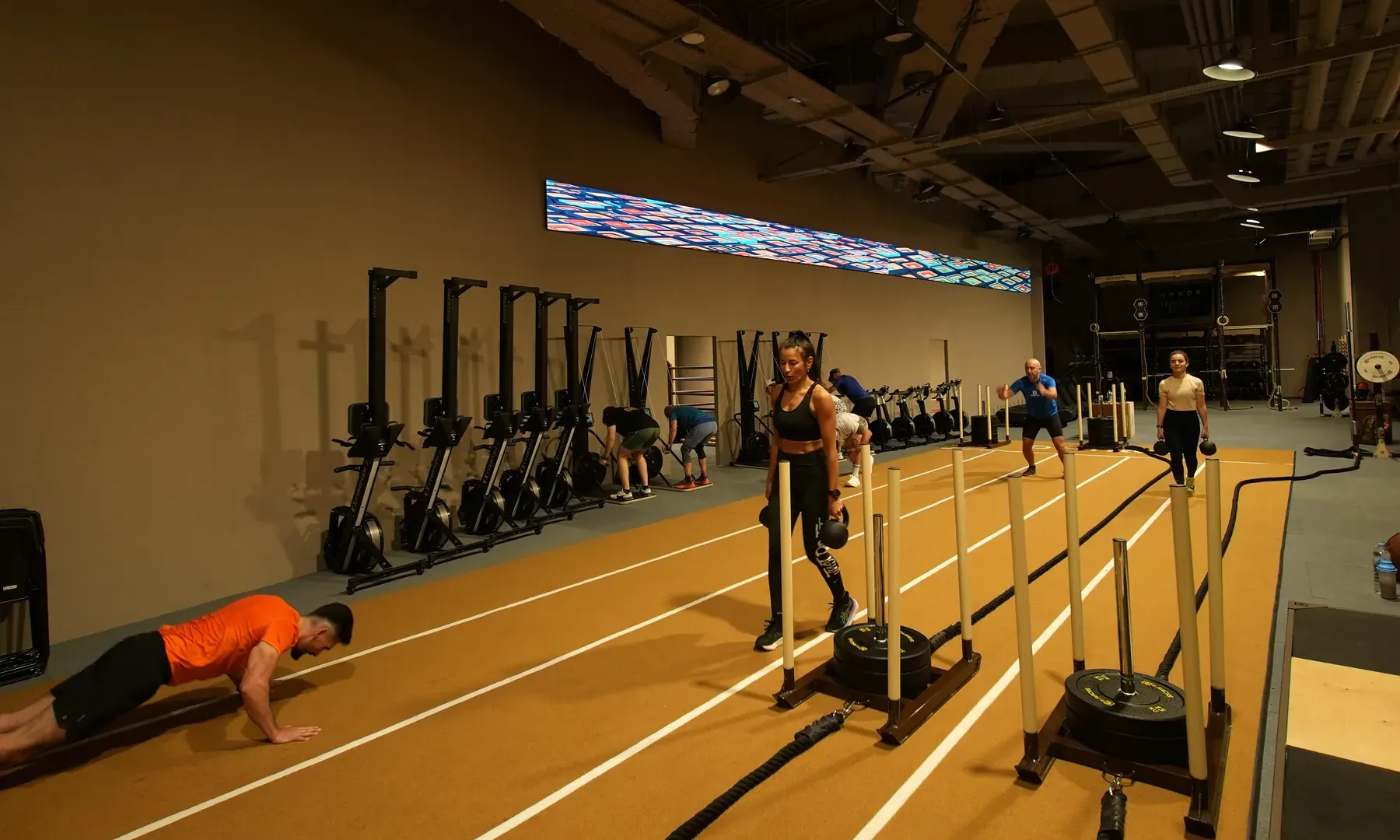
At O'Athletic Sky in Sarıyer, drills can be done as a short, focused block at the start of sprint and running sessions, and the indoor space lets the same routine continue uninterrupted through the winter months. Recording drills on video and watching them in slow motion is also useful for athletes to see their own movement.
Finally, drills are a good way to turn an athlete's attention to running itself. For an athlete arriving with the day's fatigue, a few minutes of focused drill work can become a transition ritual that prepares the mind for training.
Frequently Asked Questions
Should I do drills before every run?
A long drill block is not needed every session. A few drills are useful before fast, intense sessions; on easy runs, adding a short block at the end may be enough. What matters is not the number but consistency and care; a short but attentive block a few times a week is more useful than a long routine rushed through every day.
Will drills make me faster?
Drills alone do not create speed, but they contribute to more effective sprint and strength work by providing technical awareness and running-specific preparation.
Is bounding risky for my knees?
Because it involves high forces, it should be added at low volume and only after landing control is established. If you have knee pain or a known problem, consult your physician first.
Related articles.
Speed Training Guide for Athletes: Acceleration, Max Velocity and Agility
Acceleration, maximum velocity and agility: the mechanics, drills and weekly programming principles of speed training for athletes.
Transitioning to trail running: an adaptation guide for road runners
Moving from pavement to trail: building downhill tolerance and ankle stability, and learning to run by effort. The logic of an eight-week gradual transition plan.
Returning to Endurance with the Run-Walk Method: A Gradual Restart After a Break
After a long break, a demanding season or as a beginner, one of the safest ways back into running is to combine running and walking in a planned way.
