
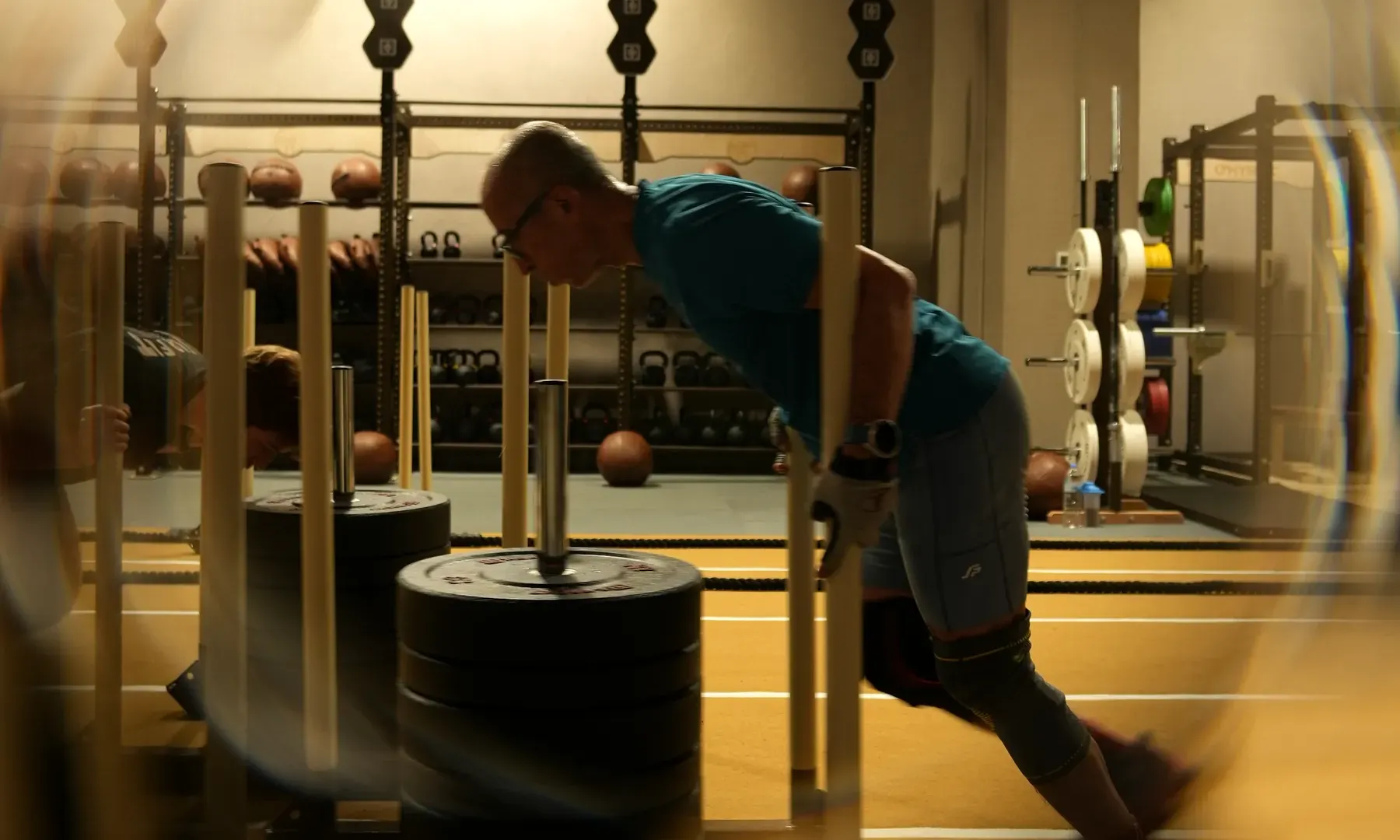
The Aerobic Base for Speed Athletes: Supporting Recovery Between Sprint Repetitions
Sprinters and team-sport athletes do not run long distances, yet aerobic capacity still matters. A simple base-building approach to support recovery between repetitions.
Sprinters and most team-sport athletes do not run for hours like distance runners. For this reason aerobic training is sometimes seen as unnecessary or something that slows speed down. Yet when short, intense movements are repeated, how quickly the body recovers between repetitions determines the quality of play and training. This is where the aerobic base plays a role: it supports recovery between repetitions, slows the accumulation of fatigue on heavy days and helps the body stay balanced across the season. In this article we explain what an aerobic base means for a speed athlete, how it can be trained and how it can be balanced without spoiling speed.
Before getting into the topic, let us clarify one point: what is described here is not marathon preparation. The aerobic capacity a speed athlete needs is far more modest than a distance runner's and can be developed with much less volume. The aim is to build a base that is enough for the body to recover on its own between intense sessions, without slowing the athlete down.
What is an aerobic base?
The aerobic base is the body's capacity to produce energy for a long time using oxygen. It relates to how efficiently the heart and vessels, the lungs and the muscles do this job. When this capacity is high, low and moderate intensity movements strain less, and it is easier for the body to return to rest after intense movements.
In very short efforts such as sprints, energy comes largely from systems that do not use oxygen. But when these efforts are repeated and recovery is needed between them, the aerobic system comes into play. In short, the aerobic base does not make a single sprint faster; it makes many sprints sustainable.
This difference shows up in practice like this: two athletes may be at the same speed in the first sprint, but by the tenth repetition the athlete with the better aerobic base loses less speed. In the same way, keeping quality in the final minutes of a match or in the last set of a session also depends on this capacity. The aerobic base is an invisible helper; it is often noticed by its absence.
Why does a speed athlete need an aerobic base?
- Tekrarlı sprint kapasitesi: Maç ya da antrenman boyunca sprintleri kalite kaybetmeden tekrarlayabilmek için.
- Seanslar arası toparlanma: Yoğun günler arasında bedenin daha çabuk toparlanması için.
- Genel sağlık ve dayanıklılık: Yaşam kalitesini ve genel enerji seviyesini desteklemek için.
- Yoğun dönemlere dayanıklılık: Çok maçlı turnuvalarda ya da yoğun hafta içi programlarda enerjiyi korumak için.
The benefit of an aerobic base varies with the athlete's sport and the structure of play. Its importance is clearer in sports with repeated sprints such as football, basketball and handball. For a very short-distance sprinter the amount needed is lower.
The aerobic base also affects the athlete's energy in daily life. For an athlete rushing between school, work and training, a better foundation can mean less exhaustion at the end of the day. In addition, regular, light aerobic movement helps some athletes relax mentally and also supports their sleep pattern.
Types of work
There is no single method for an aerobic base; options suited to the athlete's level, sport and season phase can be used.
- Düşük yoğunluklu sürekli çalışma: Konuşabilecek bir tempoda hafif koşu, bisiklet ya da yüzme.
- Tempo çalışmaları: Rahat ama biraz daha temposu yüksek, kontrollü uzun tekrarlar.
- Aralıklı çalışmalar: Kısa yoğun bölümler ve aralarında dinlenme; takım sporlarına benzer.
- Oyun temelli çalışmalar: Küçük alan oyunları gibi, branşa özgü ve tempolu çalışmalar.
Volume should start low and then be increased gradually. Switching suddenly to very long or intense aerobic work can harm both fatigue and speed.
A practical way to define low-intensity work is the “talk test”: if you can speak in sentences while working but cannot sing, you are generally at an appropriate level. For those who want to use a heart rate monitor, individual target ranges can be set; but it must be remembered that these ranges are personal and general formulas are approximate. In terms of duration, light sessions of twenty to thirty minutes are often enough at the start.
Balancing without spoiling speed
What speed athletes worry about most is the possibility that aerobic work will slow them down. This worry is not entirely baseless: very high-volume, monotonous long-distance work can harm the qualities needed for speed and explosiveness. The solution is to do aerobic work in the right dose and placement.
- Do not put aerobic work right after sprint and heavy strength work.
- Speed sessions should be done with a fresh body, and aerobic work placed on a separate day.
- Adjust volume to the season phase: more in pre-season, at maintenance level in-season.
- Make sure light work really stays light; working continuously at a “medium” tempo can be inefficient for both speed and recovery.
It is helpful to think of speed and aerobic work as complementary elements, not competing ones.
Which phase of the season you are in also determines volume. In pre-season, aerobic work can take up more space, because race load is low in this period and the body can handle more training volume. In-season, it is necessary to stay at maintenance level and be content with short, light sessions. If match or competition load is very high, extra aerobic work may be completely unnecessary, because the competition already provides enough stimulus.
Repeated sprint ability
In team sports it is not a single sprint but continually repeated sprints that matter. To develop this capacity, both the aerobic base and sprint-specific work are done.
- Sets made of short sprints (for example 20-30 meters) with short rests.
- Repeated work including changes of direction.
- Progressing by shortening rest times over time.
- Avoiding excess fatigue by tracking the number and quality of repetitions.
Because this work is intense, it should be done once or twice a week and with enough recovery. Beginner-level athletes should not go into intense repeated sprints without first building an aerobic base and general fitness.
One way to protect quality in repeated-sprint work is to keep rest time adequate. When rest gets too short, sprint quality drops and the work stops being speed training and turns into fatigue training. The goal is for each sprint to be of about the same quality; when a clear drop in speed is seen, the set should end.
Our approach at Skyland
At O'Athletic Sky in Sarıyer we treat the aerobic base not as a rival but as a supporter of speed and strength work. The athlete's sport and season status are taken into account in the weekly program; light aerobic days can be combined with recovery days. The aim is to build a more resilient body that recovers easily without giving up the athlete's speed.
Frequently Asked Questions
Should I run long distances as a sprinter?
Very long runs are generally not recommended for a sprinter. Lighter tempo work and less loading options such as swimming or cycling may be enough. Still, the decision should be made with the coach according to the athlete's situation. If you have any complaint related to the heart, breathing or circulation, you need to consult your physician before starting aerobic work.
Which days should I put aerobic work on?
If possible, place it on light days or recovery days separate from speed and heavy strength days. If you put it on the same day, speed should come first, then aerobic. Keeping aerobic work light matters for protecting the freshness of the next day's speed session.
Is aerobic work necessary for child athletes too?
For children, the best aerobic base develops through play and a variety of sports. Fun, varied activities should be preferred over structured long runs. The aim is not performance but enjoying movement and acquiring a healthy habit. Seeing aerobic work not as the enemy of speed but as part of its sustainability is the right perspective.
Related articles.
10K and half marathon preparation: the logic of a 10-week plan
The block logic of a ten-week 10K and half marathon build: base building, deload, intensity, sharpening and taper phases, plus the anatomy of a training week.
The relationship between running economy and strength training
What is running economy, and through which mechanisms does strength training improve it? Weekly placement, common runner mistakes and tracking methods.

Speed Training Guide for Athletes: Acceleration, Max Velocity and Agility
Acceleration, maximum velocity and agility: the mechanics, drills and weekly programming principles of speed training for athletes.
