
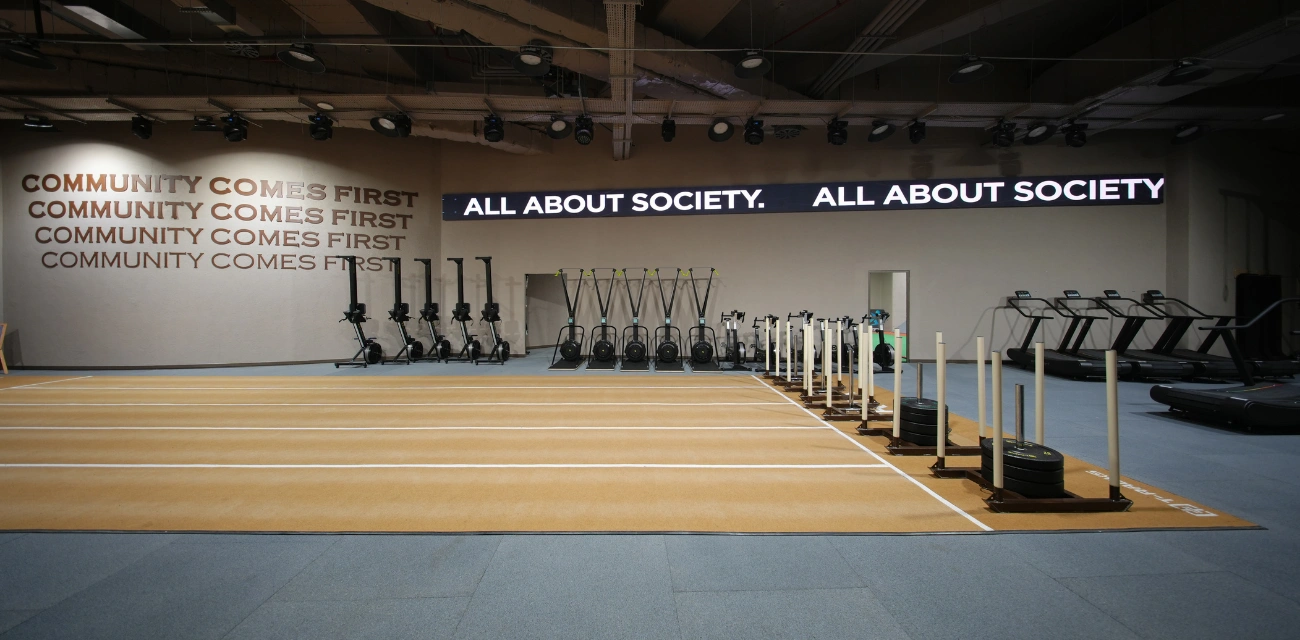
What Is Athletic Performance? An Individual High-Performance Guide for Athletes
Athletic performance means measuring strength, power, speed, aerobic capacity and movement quality and developing them through an individual program. A starter guide for athletes.
Athletic performance is the sum of the physical capacities an athlete needs in their sport: strength, power, speed, agility, aerobic and anaerobic capacity, movement quality and the ability to recover. “Individual high performance” means first measuring these capacities, then systematically developing them through a program written around the athlete's sport, level and season calendar. This article covers the science and practice behind the approach we use at O’Wellness Athletic Club Sky.
The five components of athletic performance
Performance can't be reduced to a single number. Models that work in the real world split performance into five mutually reinforcing areas. Programming starts with finding which of these five areas has a gap.
1. Strength and power
Strength is the maximum muscle tension you can produce against resistance; power is how quickly you produce that force. Sprinting, jumping, changing direction and contact power depend directly on these two variables. Strength in squat, deadlift, push and pull patterns is converted into power through Olympic lift derivatives and plyometrics. Without strength gains, speed gains remain limited; that's why strength is always the backbone of the program.
2. Speed and agility
Speed is three separate abilities: acceleration (0–20 m), maximum velocity (20–40 m) and speed endurance. Agility combines planned change-of-direction mechanics with changing direction in response to a stimulus (reactive agility). Most team-sport athletes benefit from acceleration and reactive agility, while track sprinters focus on the maximum velocity phase.
3. The aerobic engine
Aerobic capacity is the ability to hold pace in the final quarter of a game, recover between repeated sprints and handle training volume. VO2max, lactate threshold and running economy are the three markers of this engine. It's developed with a Zone 2 base, threshold intervals and VO2max blocks.
4. Movement quality and mobility
Without adequate range of motion in the hips, ankles and thoracic spine, deep squats, sound sprint mechanics or safe landings aren't possible. A movement screen is done in the first week of the program; limitations are addressed with mobility and motor control work while the strength program is scaled around them.
5. Recovery capacity
Adaptation happens not during training but after it. Sleep, nutrition, HRV monitoring, sauna and cold water protocols manage recovery. An athlete who can't recover won't benefit even from the best program.
No testing, no program
The prerequisite for writing an individual program is seeing the athlete's current state in numbers. The assessment session at Skyland takes about 90 minutes and covers the following:
- Strength tests: Estimated 1RM with trap bar deadlift or squat; isometric mid-thigh pull (IMTP) on a force plate where available.
- Power tests: Countermovement jump (CMJ), squat jump, and drop jump for reactive strength index (RSI).
- Speed and agility: 10–20–30 m sprint times, 5-0-5 change-of-direction test.
- Aerobic capacity: 30-15 Intermittent Fitness Test or Yo-Yo IR1; lactate threshold estimation for endurance athletes.
- Movement screen: Overhead squat, single-leg squat, ankle dorsiflexion angle, hip rotation.
- Body composition and history: Injury history, training age, season calendar, sleep and nutrition habits.
This data builds an “athlete profile.” For example, an athlete with good CMJ height but a low IMTP is relying on elastic qualities to produce power and has a maximal strength deficit; the first block of the program is built around heavy strength. Conversely, for a strong but slow athlete, plyometrics and speed work take priority.
Individual programming: blocks and the season calendar
The program is written in 4–6 week blocks. Each block has one primary goal (for example, maximal strength) and two supporting goals (aerobic base and mobility). At the end of the block, some of the initial tests are repeated; the results determine the content of the next block. The season calendar divides the program into three phases:
- Pre-season (preparation): High volume, gradually increasing intensity. Strength and aerobic base are built.
- In-season (competition): Volume drops, intensity is maintained. Gains are preserved with 1–2 short strength sessions per week; fatigue management takes priority.
- Off-season (transition): Active rest, injury rehabilitation, movement quality. The aim is physical rebalancing as much as mental refreshment.
Who is it for?
An individual performance program isn't just for professionals. Four main profiles train at Skyland: licensed and professional athletes, youth athletes aged 13–18 (following long-term athletic development principles), performance-driven adults who want to beat their personal records, and teams seeking group assessments and position-specific programs. The method is the same for all; what changes is the choice of tests and the dose of loading.
Common mistakes
- Starting without testing: If the goal is unclear, progress can't be measured either.
- Skipping strength: Athletes who train only conditioning or only technique hit a power ceiling.
- Training everything every week: A program written without priorities can't sufficiently stimulate any capacity.
- Leaving recovery out of the program: If sleep and nutrition aren't planned, the program is incomplete.
- Applying a general fitness program to an athlete: Every sport has different energy system and movement demands.
How does the process work at Skyland?
An assessment session is scheduled within 24 hours of your first message. Test results are reviewed with your coach, the first 4–6 week block is written and a weekly session plan is drawn up. At the end of the block: re-testing, a report and a new block. Sauna, cold plunge and steam room, along with dietitian and physiotherapist support, are part of the program. For details, check out the Athletic Performance page, our coaching team weekly class schedule.
Frequently asked questions
What's the difference between athletic performance training and fitness?
Fitness targets general health and appearance; athletic performance targets sport-specific, measurable capacity gains and runs on a test–program–re-test cycle.
How soon will I see results?
In the first 4–6 week block, measurable changes in strength and sprint times are expected through neural adaptation; lasting structural gains become clear in 3–6 months.
How many sessions per week do I need?
For most athletes, 2–3 performance sessions on top of sport practice are enough. In-season this drops to 1–2 sessions.
I have an injury — can I start?
Yes. During the assessment, limits are set together with a physiotherapist and the program is written around them.
Related articles.
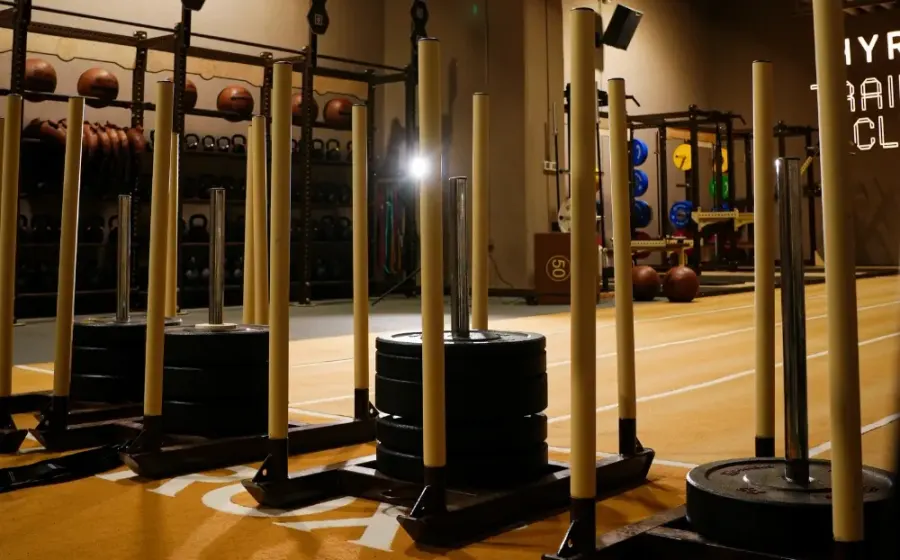
How to choose a performance coach: certifications, approach and questions to ask
What should you look for when choosing a performance coach? Certifications, methodology, testing approach and questions to ask at the first meeting.
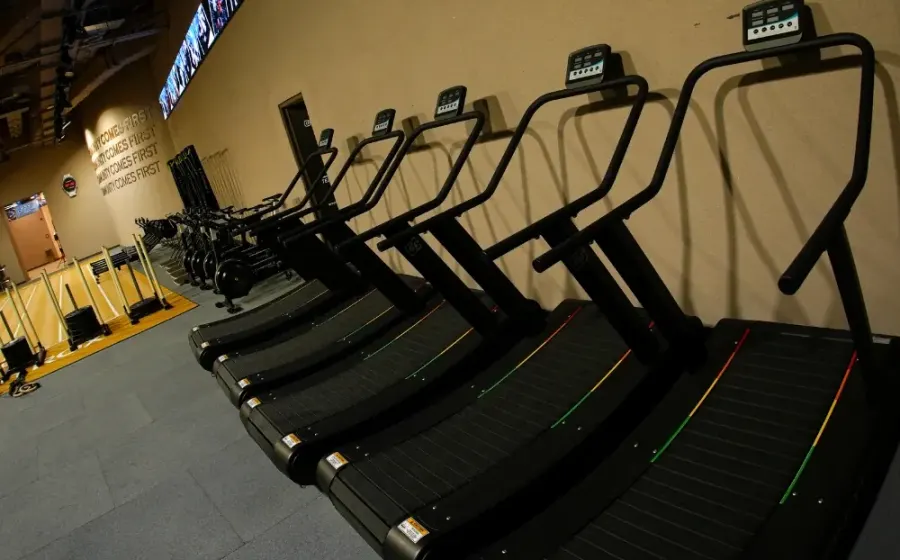
Dryland training for swimmers: strength, mobility and core
Dryland training for swimmers: a shoulder health, core stability, pull strength and start-and-turn power program.

10 criteria for choosing an athletic performance center in Istanbul
10 criteria for choosing an athletic performance center in Istanbul: testing, equipment, coaching staff, recovery facilities and accessibility.
