
Nutrition and Sleep Before Test and Match Day: A Simple Preparation Routine
Before an important test or competition, keeping to a routine you know is often better than trying something new. A simple meal and sleep plan.
Before an important performance test or match, athletes usually ask the same question: What should I eat, when should I eat, how should I sleep? The answer is often surprisingly simple. There is no need for a special product, a complicated diet or overloading; what matters most is keeping the routine the body is used to and not giving it unnecessary surprises in the last days. In this article we offer a simple framework for test-day nutrition, fluid intake and sleep. The article is for general information; if you have a special health condition, allergy or dietary requirement, consult a dietitian and physician.
The golden rule: Do not try anything new
Trying a new food, drink or supplement on race or test day is one of the most common mistakes athletes make. The body can react unexpectedly to something it does not know, such as stomach upset, energy swings or sleeplessness.
- Prefer foods you have tried in training before.
- Avoid unfamiliar energy drinks, new supplements and heavy, greasy meals.
- If you are in a hotel, traveling or in another city, find out in advance about options you know and trust.
- Keep the meal pattern you use in training on test day too.
This principle looks simple at first, but excitement and expectation can push a person to think “maybe something will help.” Resisting that thought is often the best strategy.
The right time to experiment is the training period. Trying a new breakfast or pre-training snack at a midweek session lets you observe the body's reaction at low risk. That way, when test day comes, you have a few trusted options that do not bother you. Keeping a trial diary helps you remember which meal felt like what at which time.
The day before: a balanced routine
The day before the test, there is no need to do anything unusual for the body. The aim is to get enough energy, rest well and stay calm. Both eating too much and eating too little can be uncomfortable.
- Keep your normal meal pattern; put carbohydrate, protein and vegetables together in a balanced plate.
- Pay attention to drinking water through the day; spread it through the day instead of drinking a lot at the last moment.
- Avoid very spicy, very fatty or hard-to-digest foods.
- Eat dinner a reasonable time before bed.
- Do not drink alcohol.
You do not need to overdo carbohydrate or eat unusual amounts under the name of “loading.” For most athletes, normal balanced nutrition is enough. There may be special strategies for athletes preparing for long, very intense competitions; in that case a specialist should be consulted.
The type of test also affects the meal plan. In short, explosive tests (sprint, jump), the energy store is mostly not an issue; what needs attention is a comfortable stomach and the athlete feeling fresh. A long test day or a tournament day with many matches may require protecting energy with small, easily digestible snacks through the day.
Test morning
On test morning the goal is a comfortable stomach and enough energy. For most athletes, a light and easily digestible meal a few hours before the test is suitable.
- About two to three hours before the test, a carbohydrate-centered, low-fiber and low-fat meal can be considered.
- Continue with drinks and foods you are used to.
- Do not eat a heavy meal right before the test; if you are very hungry, a small snack is enough.
- Consume caffeine in the amount you are used to; more can cause palpitations and restlessness.
- Drink enough water, but without filling the stomach.
Which meal and how long before is suitable varies from person to person. So it is important to try different timings in training and determine the one that is most comfortable for you.
Eating can feel hard for tests held early in the morning. In that case, starting with a small portion, for example a banana, bread or honey, can help. Going into the test without eating at all may leave some athletes weak and unfocused; so approach it according to your habits.
Sleep: the night before the test
It can be harder to sleep the night before the test because of excitement. This is normal, and a single bad night is not expected to ruin performance completely; what really matters is regular sleep over the few days before the test.
- Keep your sleep routine in exam or test week.
- On the night before the test, try to go to bed at your usual time.
- Reduce screen use before bed and set up a calming routine.
- If you cannot sleep, do not stress in bed; try calm breathing exercises.
- If you need to get up early the next day, adjust your schedule gradually over the previous days.
Do not use sleeping pills or similar substances without a doctor's recommendation. If you have had sleep problems for a long time, see a physician.
Attaching too much meaning to the night before the test can also increase anxiety. The pressure of “I must sleep eight hours” can make sleep even harder. Instead, aim to get through the few days before the test well in general. Even if you slept little one night, a good warm-up and a light breakfast the next day usually bring you around.
Fluid and electrolytes
Water is often overlooked in performance tests. Even mild thirst can affect short-term power and speed. But drinking too much water is also uncomfortable.
- Take fluids regularly and in small amounts through the day.
- You can use urine color roughly as a clue; if it is very dark, increase fluids.
- In very hot weather or long tests, salt loss along with fluid can become important.
- Small sips during rest intervals in the test are enough.
Fluid needs vary with the person and the environment. If you have a kidney, heart or other health problem, consult your physician about your fluid intake.
With fluids, athletes sometimes go to extremes; either they do not drink at all or they drink too much. The balanced approach is to drink when thirsty and to take regular sips through the day. Drinking a lot of water in the last hour before the test creates both discomfort and frequent need for the toilet.
Mental preparation and routines
As much as nutrition and sleep, a calm mind is important. A short, consistent routine for test day relaxes the athlete.
- Prepare your equipment the night before.
- Plan your arrival time at the test location without rushing.
- Do your warm-up with a short checklist.
- Think about the process, not the result: “I did my warm-up, I will focus on my technique.”
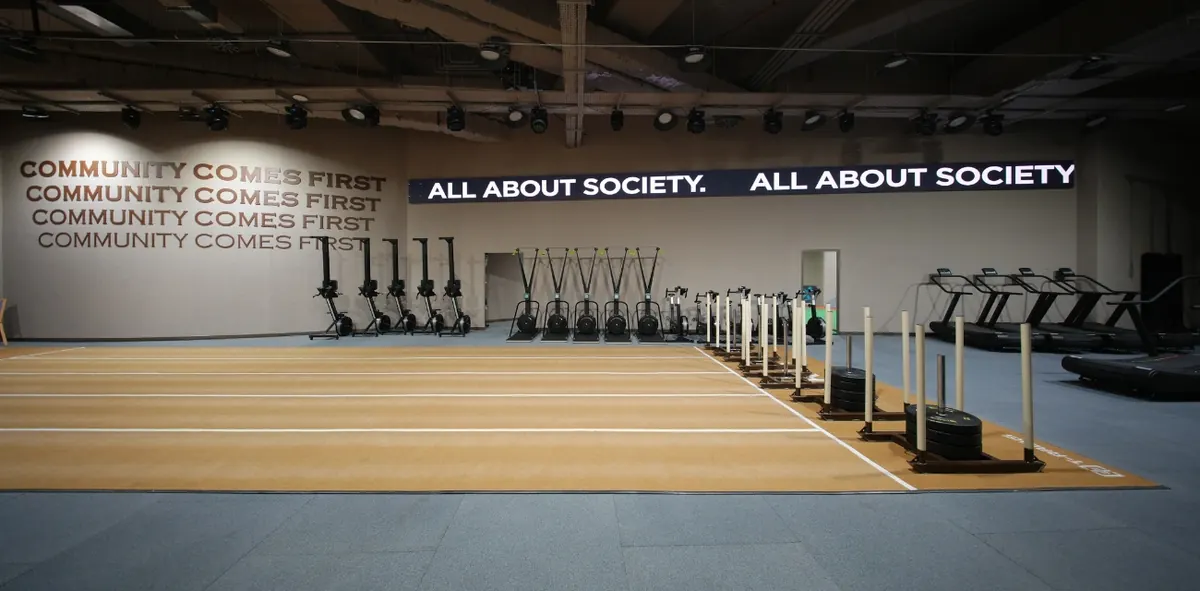
At O'Athletic Sky in Sarıyer, on test days we ask athletes not to try a new habit that day and to keep their normal routine. Because the aim is to see the athlete's true level as accurately as possible.
Do not forget nutrition after the test either. Having a meal with carbohydrate and protein within a reasonable time after the test and replacing fluids makes it easier to prepare for the next training. Even if results are not as you expected, this is a time to be kind to yourself; it is more productive to evaluate the data together a few days later with a calm head.
Frequently Asked Questions
Can I drink coffee on test morning?
Drinking the amount you are used to usually causes no problem. But trying a new amount or a different caffeine source can cause restlessness and stomach upset.
Should I be hungry or full before the test?
Being neither completely hungry nor overly full is a good idea. A light and easily digestible meal is a balanced option for most athletes.
Do the same rules apply to child athletes?
The general principles are similar, but children's and teenagers' energy needs are different. For a nutrition plan, consulting a dietitian and, if necessary, a physician is the most correct course.
Related articles.

Carbohydrate Periodization: Adjusting the Plate to Training Load
Rather than eating the same amount of carbohydrate every day, intake can be matched to the day's training. We show how the plate changes for hard, moderate and light days.

Caffeine and performance: dose, timing and precautions
How does caffeine affect performance, what dose and timing should you use, and who should be cautious? A practical caffeine guide for athletes.
Match-day nutrition plan: meal timing and practical options
What to eat before a match, when to eat it, and how to refuel during play? A practical match-day framework built on general principles.
