
What Is a Performance Testing Day? Our Club Testing Protocol
What is a club performance testing day, which tests are performed, how should you prepare, and how do results become a program? A step-by-step protocol.
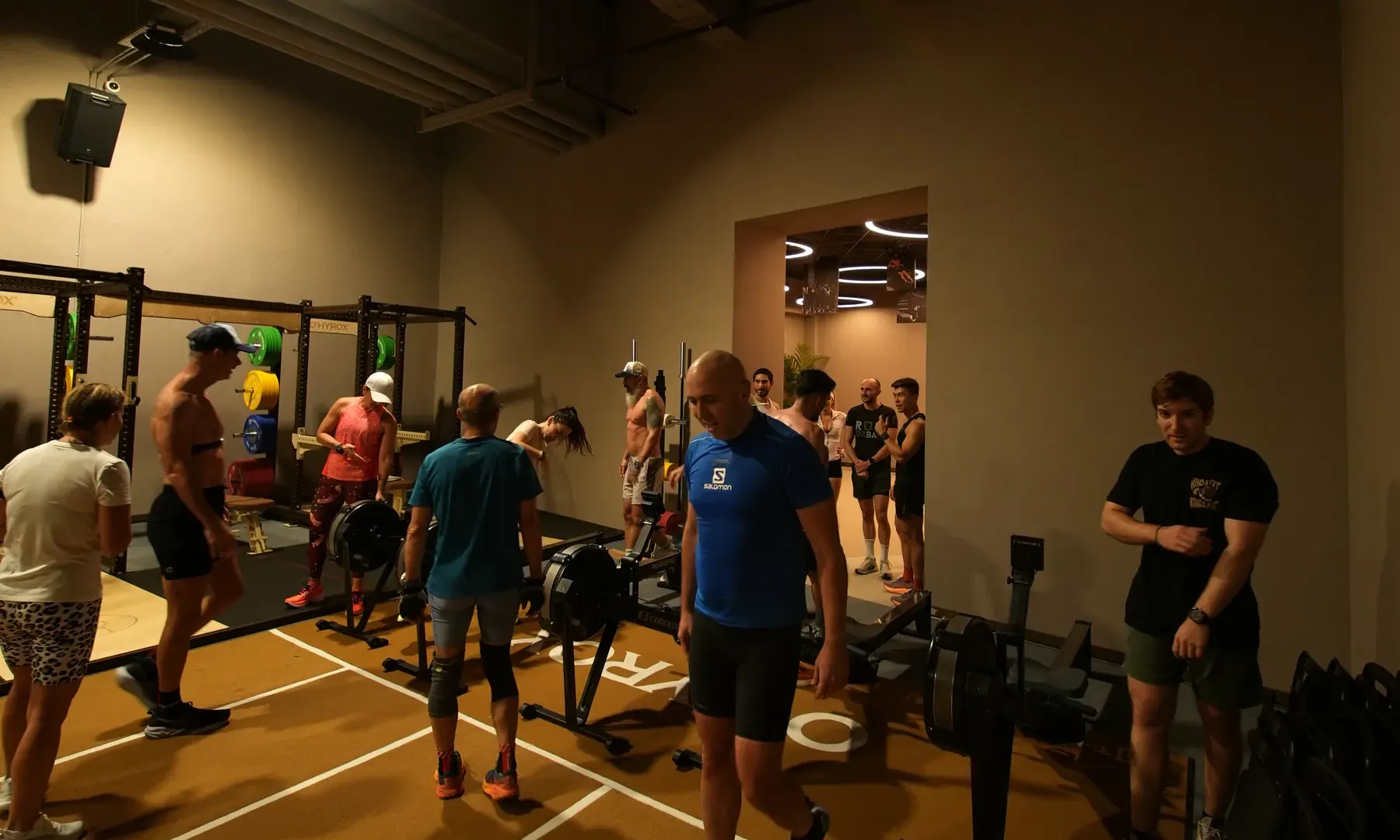
Performance testing day is an event held every 4–6 weeks at O’Wellness Athletic Club Sky, where all members and visiting athletes are measured using a standardized protocol. Its purpose is twofold: to show athletes their progress in numbers and to give coaches the data for the next block. This article explains the flow of testing day, how to prepare and how the results are interpreted.
Why a standardized testing day?
Measurements are only comparable when repeated under the same conditions. Tests done on the same surface, with the same warm-up, order and equipment make the difference between an athlete's value six weeks ago and today reliable. The group setting also boosts motivation; athletes usually hit their best numbers on testing days.
Test protocol and order
The order is designed so that fatigue doesn't affect later tests: neural first, then strength, conditioning last.
- Check-in and history (10 min): Body weight, sleep, subjective readiness score, load over the last 48 hours.
- Standard warm-up (15 min): RAMP protocol: light jogging, dynamic mobility, activation, progressive sprints.
- Jump tests: Countermovement jump 3 attempts, drop jump (RSI) 3 attempts. Power and asymmetry data if a force plate is available.
- Sprint: 10–20–30 m with timing gates, 3 attempts, full rest.
- Change of direction: 5-0-5 test, 2 attempts in each direction.
- Strength: Trap bar deadlift or isometric mid-thigh pull; estimated 1RM or peak force.
- Aerobic capacity: 30-15 Intermittent Fitness Test (team athletes) or 2,000 m row/ski (endurance profile).
- Movement screen: Overhead squat, single-leg squat, ankle dorsiflexion.
Total time is about 2–2.5 hours; testing day replaces the week's other sessions.
Preparing for testing day
- No heavy strength or intense conditioning in the 48 hours prior; light technical work is fine.
- 8+ hours of sleep on the last two nights; if you normally have caffeine, keep the same habit on test morning.
- A carbohydrate-focused meal and 500 ml of fluid 2–3 hours before testing.
- The footwear and surface for each test should be the same as in the previous test.
How are the results interpreted?
Every athlete receives a written report within 48 hours of testing. The report includes three comparisons: the athlete's previous values (individual progress), sport- and age-group reference ranges (positioning) and the profile across capacities (force–velocity balance, left–right asymmetry). Sample interpretations:
- CMJ up, 10 m sprint unchanged: Vertical power has improved; the focus shifts to horizontal force and acceleration mechanics (sled, wall drills).
- High IMTP, low RSI: Strength is there, elastic qualities are weak; plyometrics and tendon stiffness work are added.
- Left–right asymmetry above 10%: Single-leg strength work and a physiotherapist assessment.
- 30-15 IFT speed dropped: Erosion of the aerobic base; Zone 2 and threshold volume are increased.
Who can take part?
For club members, testing day is part of the program. Visiting athletes, clubs and teams can also book a one-time assessment; teams are offered group testing and position-based reporting. For young athletes (13–18), the protocol is adapted with age-appropriate tests.
Frequently asked questions
It's my first time and I'm worried about getting bad results.
Your first test isn't a ranking, it's a starting point. The goal is to compare yourself with where you'll be six weeks from now.
Can I be tested while injured?
Tests that stress the injured area are skipped; other capacities are measured and a physiotherapist assessment is added.
When is testing day?
The first Saturday of every month at 09:00; dates are announced on the Events page and on Instagram.
To book your spot for the next testing day, message us or reach us on WhatsApp.
Related articles.
Training partners and athlete community: why people who train together stay the course
Discipline does not come from willpower alone; it also comes from environment. A training partner and a community are among the least recognised supporters of performance.
Preparing for Selection and Trial Days: A Guide for Athletes and Families
A team selection or trial session can be exciting but also stressful. We take preparation, expectations and the day itself in a calm frame.
Group testing days for clubs and teams: how they are organized at Skyland
How do you plan a group testing day for clubs and teams? Setting objectives, choosing tests, sequencing logic, station layout, standardization and reporting steps.
