

A Weekend Conditioning Session on Kilyos Beach: Plan, Safety and Adaptations
Kilyos, on Sarıyer's Black Sea coast, is a nearby option for athletes who want to leave the gym and train on sand at the weekend. We cover session structure, sand's effects and safety points.
Training on Kilyos beach is one of the practical ways for athletes who live or work in Sarıyer to add a different stimulus to their weekend routine. When it is relatively quiet in the early morning, the wide beach on the Black Sea coast offers a suitable space for short sprints, change-of-direction work and bodyweight conditioning circuits. Sand creates a different load from hard ground: the foot sinks a little with each step, more force is needed to push off, and landing forces are absorbed more softly. These qualities are useful when planned properly and can be tiring and taxing when used without a plan.
How Sand Affects Training
Running and jumping on sand take more energy than doing the same movements on hard ground. Because the surface absorbs part of the push, muscles work longer, and the ankle and calf muscles are constantly engaged to maintain balance. This provides an intense conditioning stimulus. On the other hand, because sand reduces the elastic rebound of hard ground, it is less suited to maximum velocity and reactive jump work. A sprint on sand does not replace a sprint on the track; it is a different complement to it.
Because the softness of sand reduces landing forces, some athletes see it as a joint-friendly option. This is partly true, but the unstable surface places a different demand on the ankle and Achilles tendon. Athletes not used to regular sand training may feel marked fatigue or soreness in the calves and soles of the feet in the first sessions. Sand work should therefore be added gradually.
Surface Choice: Wet Sand or Dry Sand?
There are two surfaces on a beach, and they serve different purposes. Wet sand near the water is firmer and flatter; it feels closer to hard ground and is better suited to sprints and tempo runs. Dry sand away from the shore is deep and soft; every step there demands much more effort, and it can be used for short power work, change-of-direction drills or walking-based conditioning.
The slope of the shoreline should also be considered. Running in the same direction for a long time on a strip that slopes toward the sea means one leg constantly lands lower. To balance this asymmetric load, changing direction on the way out and back or choosing an area with less slope is a good habit.
A Sample Session Flow
The flow below is a framework for an athlete who is new to sand training but has a regular training history. Duration and reps should be adjusted to the athlete's level and the day's goal.
- Isınma: Islak kumda hafif koşu, ardından ayak bileği ve kalça mobilitesi, birkaç dril.
- Kısa hızlanmalar: Islak kumda kısa mesafeli, tam dinlenmeli birkaç ivmelenme.
- Change of direction: Kuru kumda koni ya da işaretlerle kısa kesme ve yan kayma drilleri.
- Kondisyon devresi: Squat sıçrama, lunge, şınav ve plank gibi hareketlerden oluşan kısa bir devre.
- Cool-down: Islak kumda yavaş yürüyüş ve hafif esneme.
The total session should be shorter than a similar session on hard ground, because sand builds fatigue faster. In the first sessions the aim is to see how the body responds to this surface. Fatigue felt in the calves and soles of the feet the next day is a good guide for setting the volume of the next session.
Another productive option on sand is walking-based conditioning. Walking with quick, long strides on dry sand works the hip and calf muscles hard without sending harsh impacts through the joints. This option is valuable for athletes newly returning to running or looking for a low-impact session after a hard week.
Shoes and Barefoot
Training barefoot on sand can strengthen the foot muscles and let the sole feel the ground. For athletes whose feet are not used to it, however, it is important to start with short durations and low intensity. Because there may be glass, stones or sharp objects in the sand, the surface should be checked beforehand. For those uncomfortable barefoot or planning longer runs, a light, well-fitting shoe is a safer option.
Route and Access
Kilyos is a fairly short drive from central Sarıyer and the Skyland area; access is easier on weekend mornings when traffic is relatively quiet. Different parts of the beach vary in width and slope, so on a first visit it helps to pick a suitable strip after a short walk. Because some sections may be in use by businesses, it is best to choose public areas and follow local rules.
If going as a group, keeping equipment light makes things easier. A few cones, a light medicine ball or a resistance band are enough to set up a varied session on sand. Carrying heavy equipment is a hassle and hard to use on sand. Taking everything back when the session ends and leaving the beach clean keeps this space usable for everyone.
Turning the sand session into a social meetup also boosts motivation. A short walk along the shore or breakfast together after training turns weekend work into a sustainable habit.
Weather, Timing and Safety
Weather in Kilyos can change during the day. In summer, the sand gets very hot when the sun is high and heat adds to the session's load, so early morning or late afternoon is better. Wind is common on the coast; a headwind makes running harder while a tailwind gives a misleading sense of speed. Bring plenty of water, sun protection and a hat. Avoiding sprints and change-of-direction work when the beach is crowded is necessary for your safety and that of people around you.
Checking your feet and legs after sand training is also a good habit. If there are cuts or blisters on the soles, swelling in the ankle or persistent pain, do not continue training and consult your physician if needed. If you go into the sea, avoid long swims on tired muscles and use only safe swimming areas.
For athletes who do strength and sprint work at O'Athletic Sky in Sarıyer during the week, the weekend session in Kilyos can be a varied day that complements the program. To make that work, the sand session should not sit too close to the week's heavy leg days and should be counted within the weekly total load.
Frequently Asked Questions
Is training on sand safer than on hard ground?
Sand reduces landing forces, but the unstable surface creates a different load on the ankle and calf. Started gradually, it is a safe option; for those not used to it, a sudden high volume can cause soreness.
How often should sand sessions be done each week?
For most athletes, one session a week is enough to add variety to the program. Because sand work builds fatigue quickly, it should be planned together with other hard leg sessions.
What is the best time to train in Kilyos?
In warm months, early morning or late afternoon is better in terms of both heat and crowds. It is a good idea to check wind and weather conditions before heading out. On cool, windy mornings, extending the warm-up a little and wearing an extra layer makes the session more comfortable.
Related articles.
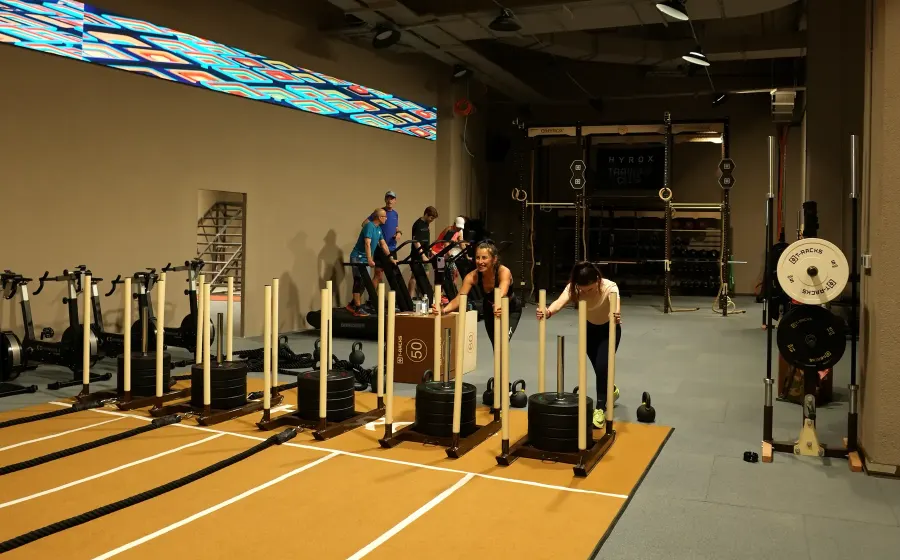
Hill running routes in Belgrad Forest and Sarıyer
Three types of hill running routes around Belgrad Forest and Sarıyer: short steep ramps, mid-length climbs and long forest loops. With sample sessions.
Preparing for your first performance meeting at Skyland: what to bring and what to share
An athlete who prepares well for the first meeting gets value from the program much faster. A short checklist from health history to goals, clothing to sleep.
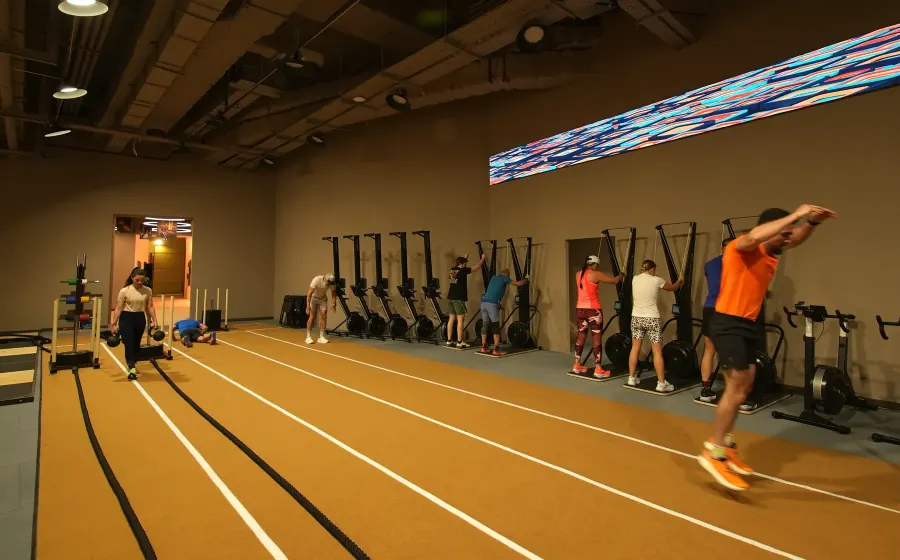
Training in Sarıyer through winter and rainy days: keeping your plan on track
Cold, rain and early dark can test training discipline. Practical ways to keep your rhythm even as the season changes.
